
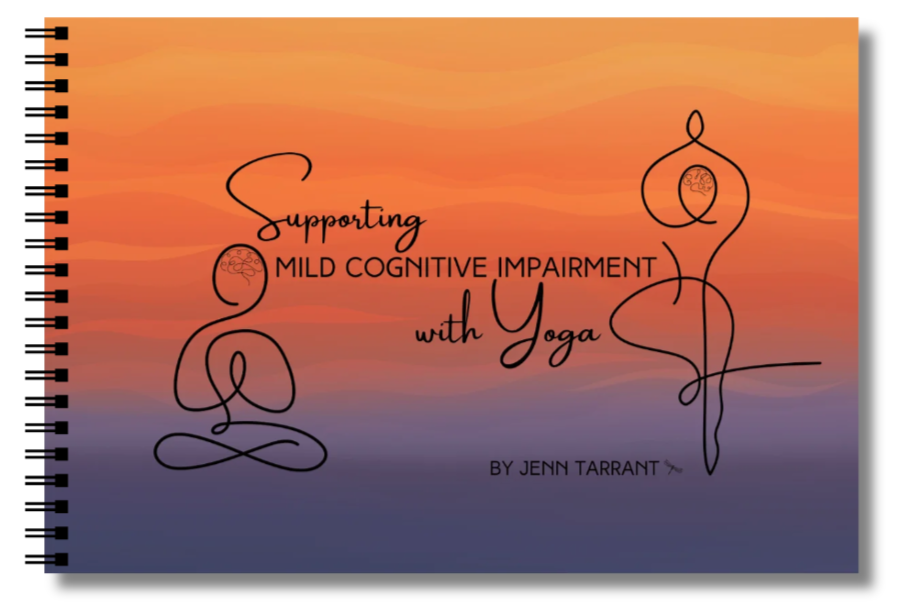
SUPPORTING MILD COGNITIVE IMPAIRMENT WITH YOGA
A practical, illustrated guide to exploring yoga for cognitive health, well-being, and everyday life.
Mild Cognitive Impairment (MCI) can bring questions, uncertainty, and changes that affect not only the individual experiencing it, but also the people who share in their journey.
Yoga offers an opportunity to explore supportive practices that bring together movement, breathing, mindfulness, and self-awareness. But knowing where to begin—and how to approach practices in ways that feel accessible and appropriate—can make all the difference.
Supporting Mild Cognitive Impairment with Yoga was created to help individuals living with MCI, their partners, and yoga professionals explore practical ways to incorporate yoga into everyday life.
A Resource for Learning and Practice
Whether you're exploring yoga for yourself, supporting someone you care about, or looking to expand your professional knowledge, this book offers an accessible introduction to yoga practices and their potential applications for people living with MCI.
Inside, you'll explore:
An introduction to Mild Cognitive Impairment and how yoga may help
Breathing practices and opportunities to develop greater awareness
Emotional awareness, gratitude, and affirmations
Mudras and accessible yoga postures
Kirtan Kriya and guided yoga sequences
An introduction to Ayurvedic perspectives and recommendations
Additional resources and references for continued learning
More Than Reading About Yoga—Learn How to Practice
One of the things that makes this resource especially practical is its emphasis on learning through demonstration.
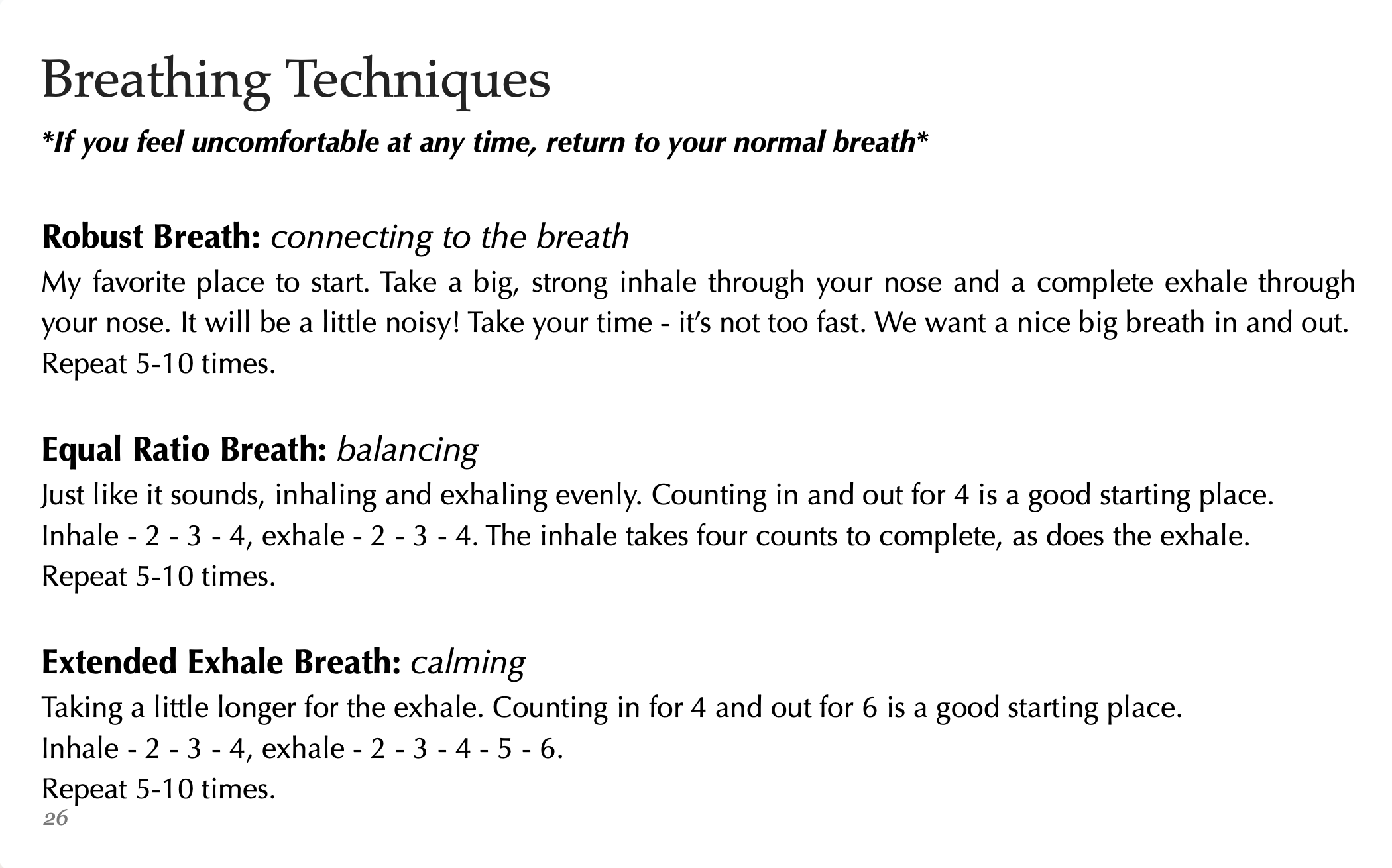
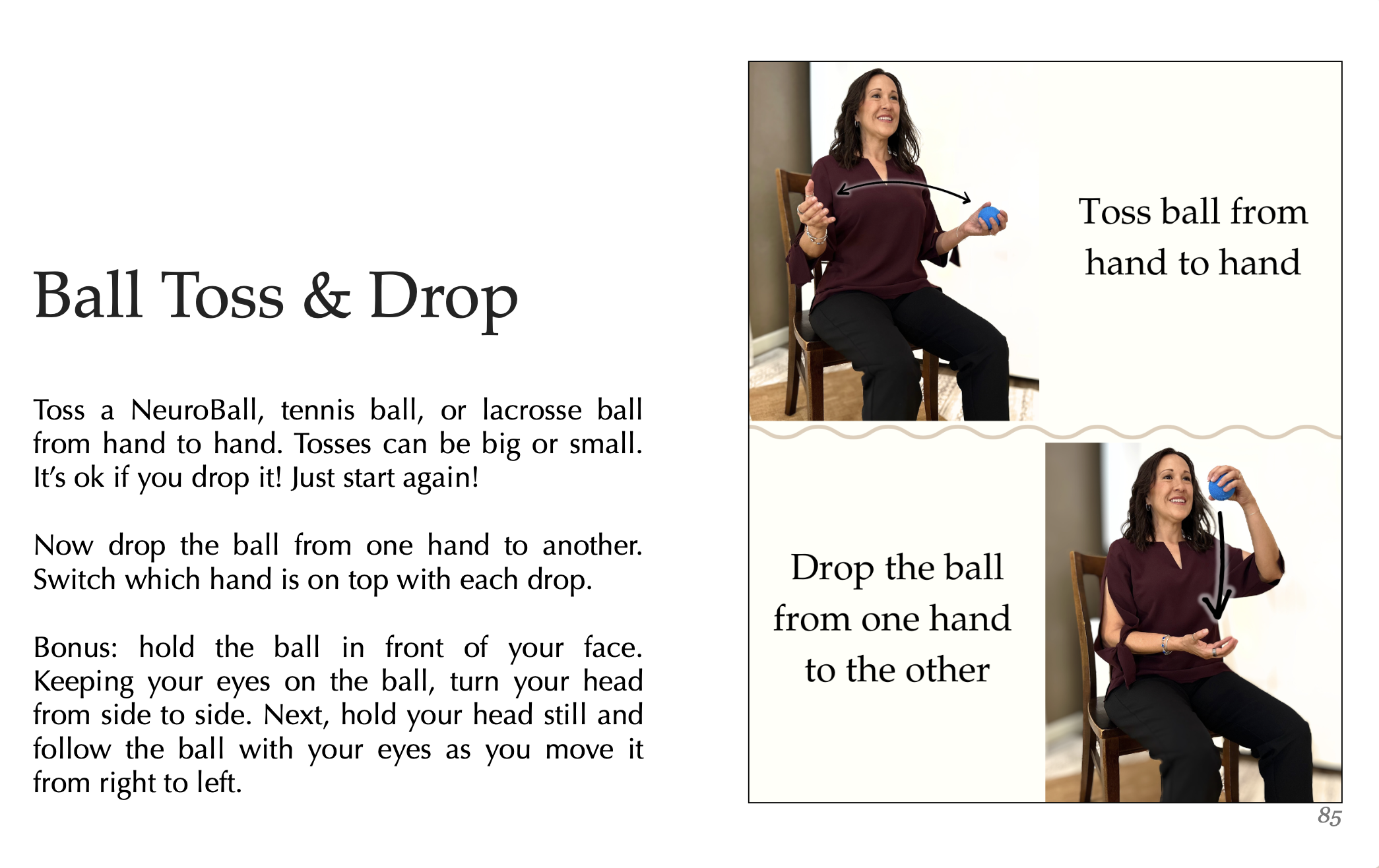
The book includes photographs and descriptions of every posture and practice, making it easier to understand what to do and how to approach each activity.
But the learning doesn't stop with the printed pages.
Every aspect of the book has an accompanying instructional video. Jenn demonstrates the practices and explains how to do them, allowing readers to watch, listen, and follow along as they become familiar with the material.
Accessing the videos is simple:
Scan the QR codes provided in the book.
Or visit jenntarrant.com/MCI and type in the address.
This combination of written instruction, photographs, and video demonstrations is designed to make the practices approachable and easier to incorporate into everyday life.
Who Is This Book For?
Individuals Living with Mild Cognitive Impairment and Their Partners
Explore accessible yoga practices together, discover new ways to support well-being, and find opportunities to bring movement, breathing, and mindfulness into everyday life.
Yoga Teachers and Yoga Therapists
Use this resource to deepen your understanding of MCI and explore practical approaches for adapting and teaching yoga to individuals experiencing cognitive changes.
Healthcare and Wellness Professionals
Explore the therapeutic applications of yoga as a supportive approach to cognitive health, self-awareness, movement, and overall well-being.
For Yoga Professionals:
Continue Your Learning
If you're a yoga teacher or yoga therapist interested in working with individuals experiencing mild cognitive impairment, you may also be interested in my professional training:
Teaching Yoga for Mild Cognitive Impairment
An opportunity to explore the subject in greater depth and develop practical knowledge for your teaching.
A Personal and Professional Commitment
My work as a yoga therapist has given me the opportunity to see how thoughtful, individualized yoga practices can support people navigating health challenges and life changes.
Through my work with Mayo Clinic's HABIT program and individuals living with Mild Cognitive Impairment, I've become increasingly interested in making yoga accessible—not simply as a class or exercise, but as a collection of practical tools people can understand, explore, and use in their lives.
This book grew from that commitment: helping bridge the gap between understanding what yoga may offer and knowing how to put it into practice.
Explore the Book
Whether you're looking for a resource for yourself, someone you care about, or your professional practice, I hope this book offers a helpful place to begin.
Yoga practices should be adapted to individual abilities and circumstances. This book is an educational resource and is not a substitute for individualized medical advice or care.